What a Comedy About Con Artists Can Teach Us About Operations
There’s an old movie I’ve always enjoyed rewatching: Dirty Rotten Scoundrels. On the surface, it’s pure entertainment. Sharp writing, tight pacing, surprises stacked on surprises. Steve Martin and Michael Caine going toe-to-toe as rival con artists on the French Riviera. You laugh, you relax, you think you’re just being entertained.
But if you watch it with your eyes open, it’s also a lesson in how systems, roles, incentives, and human behavior actually work. In other words, it’s a sneaky masterclass in operations.
I’ve long believed this: we learn from everything we expose ourselves to. Books, conversations, failures, successes, and yes, even movies about scammers. Wisdom doesn’t only come from saints and textbooks. Sometimes it comes from watching how flawed people operate inside a well-designed game.
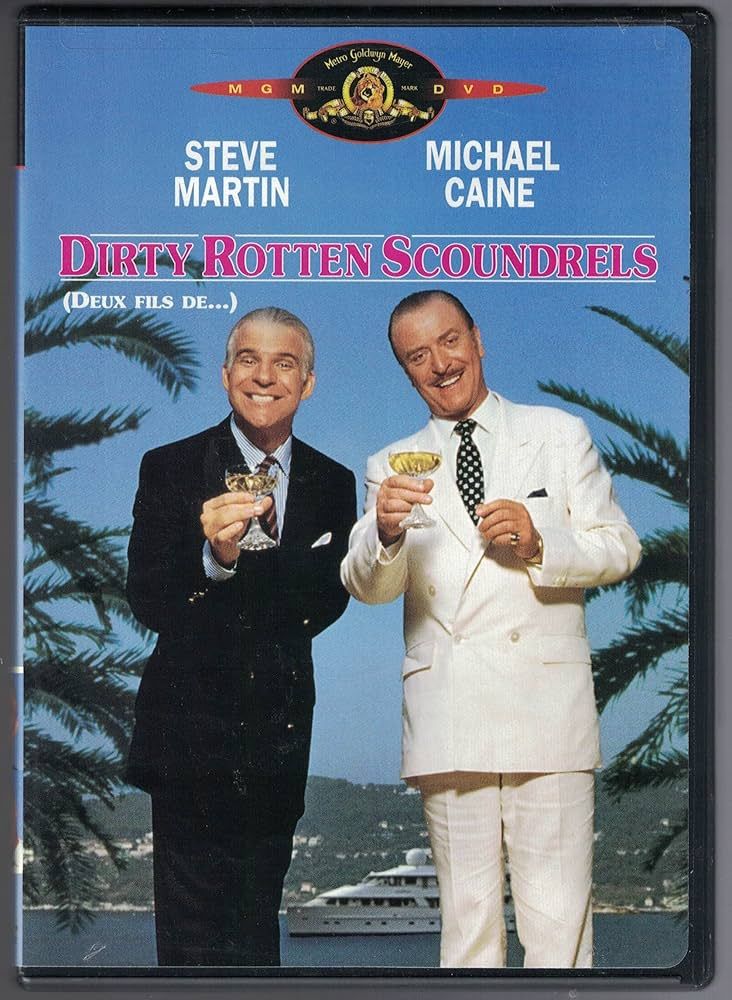
At its core, the film is about two operators with very different styles. Michael Caine’s character is polished, structured, and process-driven. His operation is calm, repeatable, and scalable. He has standards, routines, and a brand. Steve Martin’s character is improvisational, chaotic, and creative. He’s fast, inventive, and unpredictable. He generates attention easily, but his system leaks.
From an operations lens, this is the classic tension between structure and creativity. One without the other collapses. Too much structure and you lose adaptability. Too much chaos and nothing compounds.
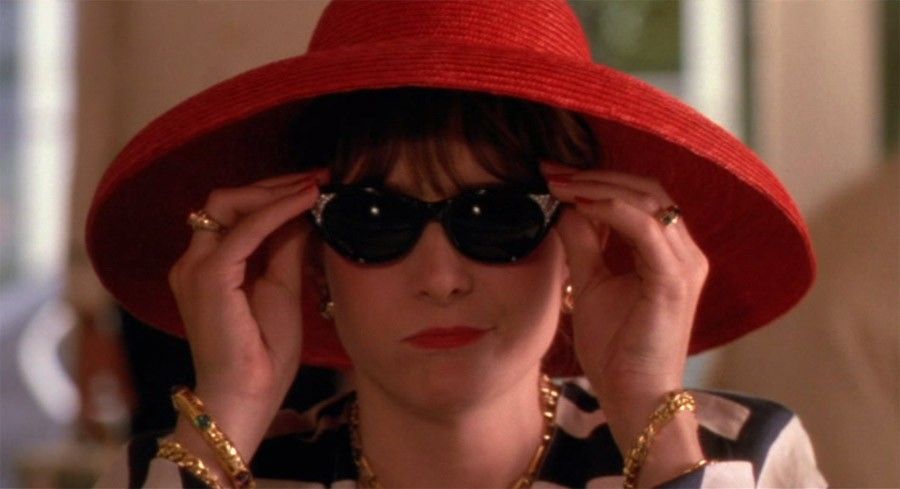
Then enters the real surprise: the fox. Janet Colgate, played by Glenne Headly. While the two men are busy competing and measuring themselves against each other, she watches. She listens. She adapts. She doesn’t try to dominate the system. She learns it, then quietly reconfigures it.
Operationally, she’s the reminder that the most dangerous player is often the one paying attention while everyone else is performing.
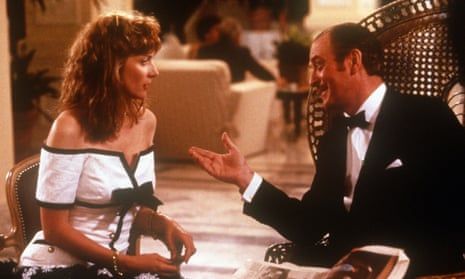
The movie also makes a quiet but important point about credibility. Once trust is established, friction drops. Deals close faster. Explanations shorten. This is true in scams and just as true in legitimate businesses. Credibility is an operational asset. It reduces cost, time, and resistance. Lose it, and every transaction becomes expensive.
Another lesson sits in the ending, without giving anything away. Loyalty and teamwork emerge, but not the sentimental kind. This isn’t blind allegiance. It’s professional alignment. People working together because they respect each other’s competence and understand the rules of the game. In operations, this is what real teamwork looks like. Clear roles. Mutual respect. Shared outcomes.
The film also warns against a common operational failure: overconfidence. Assuming you’re the smartest person in the room is usually how blind spots form. The best operators assume there’s always something they’re missing. That mindset keeps systems flexible and learning continuous.

What makes this movie such a good teaching tool is that it doesn’t lecture. It shows. It reminds us that learning isn’t confined to classrooms or business books. Every interaction, every story, every character we encounter has something to teach us if we’re paying attention.
Yes, these characters are con artists. No, their ethics aren’t the takeaway. The lesson is awareness. How people build systems. How trust is created or exploited. How structure and improvisation coexist. How teams form. How ego gets in the way.
If you train yourself to observe like this, learning becomes constant. Entertainment becomes education. And operations stop being abstract frameworks and start looking like what they really are: human behavior, organized well or poorly.
Sometimes wisdom shows up wearing a tuxedo on the French Riviera, cracking jokes, and running a very tight operation.
Bonus: Watch it for free with ads, provided by MGM (YouTube).
---
Insights from Anwer Qureishi, Thought Leader & Entrepreneur
Ready to accelerate growth? Schedule a Consultation with Anwer Qureishi, Founder, Q&S International (ThinkQSi).