Navigating Technology Transformation: Insights from ThinkQSi Experts
In today’s fast-paced digital world, businesses face the continuous challenge of staying ahead in technology transformation. The team at ThinkQSi has been at the forefront of guiding companies through this intricate journey, offering insights that are both practical and forward-thinking.
Technology transformation is not just about adopting new tools; it's about changing the way an organization operates and delivers value to its customers. To successfully navigate this transformation, it's crucial to understand the underlying principles and strategies that can lead to success.
Understanding the Core of Technology Transformation
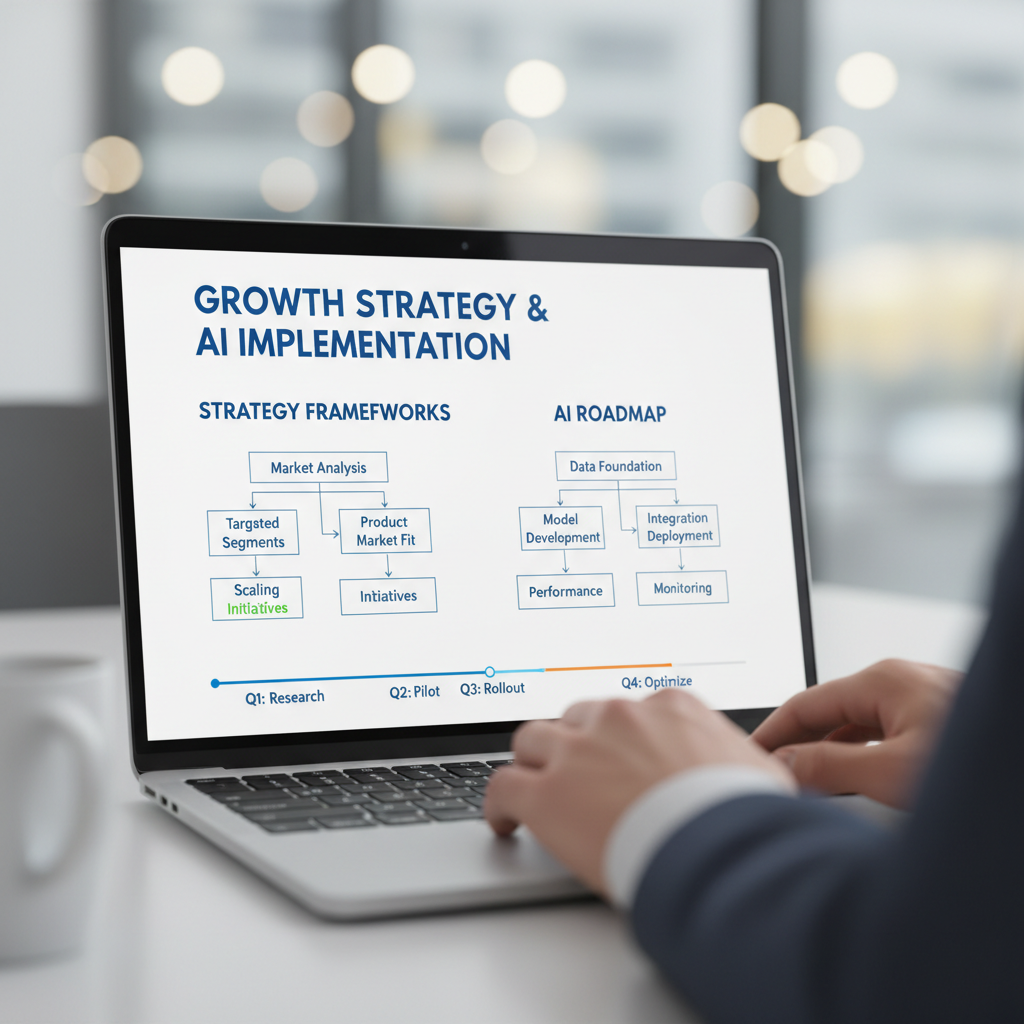
The first step in navigating technology transformation is understanding its core components. According to ThinkQSi experts, this involves more than just the implementation of new software. It requires a comprehensive approach that includes:
- Redefining business processes to align with new technological capabilities.
- Ensuring a cultural shift within the organization to embrace change.
- Investing in continuous learning and development for staff.
These components form the backbone of a successful transformation strategy, enabling businesses to adapt and thrive in an ever-evolving landscape.
Key Strategies for Successful Implementation
Implementing a technology transformation strategy requires careful planning and execution. ThinkQSi emphasizes the importance of prioritizing key areas such as:
Leadership and Vision
Strong leadership is essential in steering the organization through transformation. Leaders must have a clear vision and communicate it effectively to ensure alignment across all levels of the business.

Customer-Centric Approach
Technology transformation should ultimately enhance customer experience. By placing the customer at the center of the strategy, businesses can ensure that the changes made are relevant and add value to the end-user.
ThinkQSi advocates for a deep understanding of customer needs and behaviors to tailor solutions that meet their expectations.
Challenges and Solutions
While the benefits of technology transformation are significant, there are also challenges that businesses must overcome. Common obstacles include:
- Resistance to change from employees who are accustomed to traditional ways of working.
- Limited budget and resources to implement comprehensive transformation plans.
- Complexity in integrating new technologies with existing systems.
To address these challenges, ThinkQSi recommends clear communication, phased implementation, and leveraging partnerships with technology providers to maximize resources and expertise.

The Role of Continuous Improvement
Technology transformation is not a one-time event but a continuous process. Organizations need to foster a culture of ongoing improvement and innovation. By regularly assessing performance and seeking feedback, businesses can make necessary adjustments and stay competitive.
ThinkQSi supports the adoption of agile methodologies, which allow for flexibility and responsiveness to change. This approach ensures that businesses remain adaptable and resilient in the face of new challenges.
Conclusion
The journey of technology transformation is complex but rewarding. With insights from ThinkQSi experts, businesses can navigate this path with confidence, ensuring they are well-equipped to meet the demands of the modern digital environment.
By focusing on strategic planning, customer-centric approaches, and continuous improvement, organizations can achieve lasting success and growth in their technology transformation endeavors.