Building a Foundation for Startup Success
Importance of Strategic Planning for Startups
For startups, the road to success is often challenging and unpredictable. This is where strategic planning plays a crucial role. By clearly defining objectives, assessing resources, and anticipating potential challenges, startups can build a solid foundation for long-term success. Strategic planning is not just about setting goals; it's about creating a roadmap to achieve them.

Defining Your Vision and Mission
A startup's vision and mission serve as its guiding star. A clear vision outlines where the company aims to be in the future, while the mission describes the purpose and the approach to reach that vision. Startups should involve their team in defining these elements to ensure alignment and shared commitment.
Having a well-defined vision and mission helps in creating a cohesive company culture and guides decision-making processes. It also plays a significant role in attracting investors and customers who resonate with the startup's values and goals.
Setting SMART Goals
Once the vision and mission are in place, it's time to set goals. Using the SMART criteria—Specific, Measurable, Achievable, Relevant, and Time-bound—ensures that goals are clear and attainable. This framework helps startups focus on what truly matters and provides a way to track progress effectively.

For example, instead of setting a vague goal like "increase sales," a SMART goal would be "increase sales by 20% in the next six months through targeted online marketing campaigns."
Conducting a SWOT Analysis
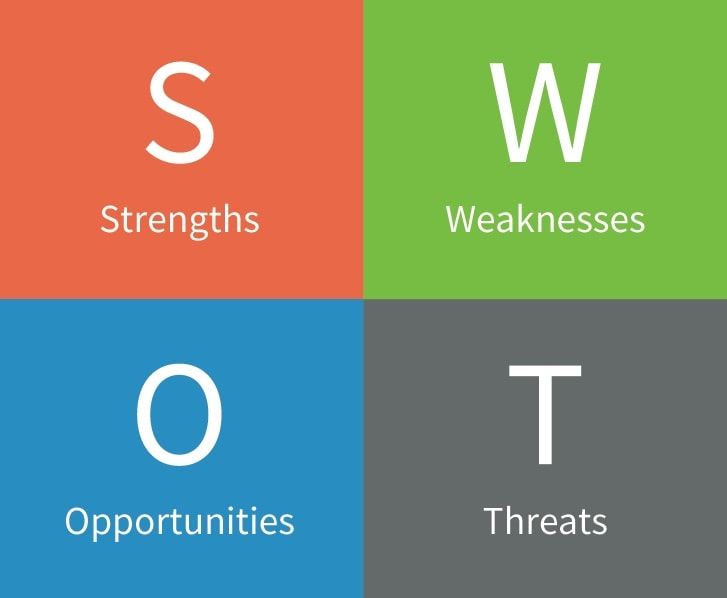
A SWOT analysis—Strengths, Weaknesses, Opportunities, and Threats—is an essential part of strategic planning. This analysis helps startups identify internal strengths and weaknesses, as well as external opportunities and threats. By understanding these factors, startups can leverage their strengths, address weaknesses, capitalize on opportunities, and mitigate potential threats.
Conducting a SWOT analysis regularly allows startups to stay agile and adapt their strategies as the market and business environment evolve.
Resource Allocation and Budgeting
Effective resource allocation and budgeting are critical components of strategic planning. Startups often operate with limited resources, so it's vital to allocate them wisely. Developing a detailed budget that aligns with strategic goals ensures that resources are used efficiently and effectively.
Budgeting also involves forecasting potential revenue streams and expenses, allowing startups to plan for financial sustainability and growth.
Monitoring and Evaluation
Strategic planning is an ongoing process that requires regular monitoring and evaluation. Startups should establish key performance indicators (KPIs) to measure progress and assess whether the strategies are working. Regular reviews and updates to the strategic plan help in staying aligned with changing market conditions and business goals.
By consistently evaluating their strategies, startups can make informed decisions, pivot when necessary, and ensure they are on the path to success.
Conclusion
Strategic planning is not a one-time activity but a continuous journey that helps startups navigate the complex business landscape. By establishing a strong foundation through vision, mission, SMART goals, SWOT analysis, resource allocation, and ongoing evaluation, startups can position themselves for growth and success.
Embracing strategic planning empowers startups to not only survive but thrive in their respective industries.